
At Denton Family Smiles, Sleep & TMJ, we know that completing your orthodontic treatment is an exciting milestone.
Serving the Denton, TX community, our highly patient-oriented practice is committed to delivering honest dentistry and ensuring your beautiful results last a lifetime. Because our doctor holds advanced residency training in TMJ and orofacial pain, we know that a perfectly aligned smile does more than just boost your confidence—it balances your bite to protect your jaw joints. Retainers are the essential final step in your treatment, locking in your results to preserve both your stunning smile and your long-term joint health.
Why Retainers Are Important
When your braces are removed, or you finish your last clear aligner, your teeth might look perfect, but they are not yet permanently set in place. The bone and connective tissues surrounding your teeth need time to solidify around the roots in their new positions. Without the continuous support of a retainer, your teeth possess a “memory” and will naturally attempt to shift backward toward their original, misaligned state—a process known as orthodontic relapse. By wearing your retainer, you protect the investment you made in your smile and ensure your bite remains harmoniously balanced.
Types Of Retainers
Every smile and lifestyle is different, which is why we offer a few different options for retention. During the final phase of your treatment, we will discuss which type is best for you:
- Clear plastic retainers (Essix): Similar in appearance to Invisalign trays, these are custom-molded from transparent plastic to fit snugly over your teeth. They are virtually invisible, highly comfortable, and easy to remove for cleaning.
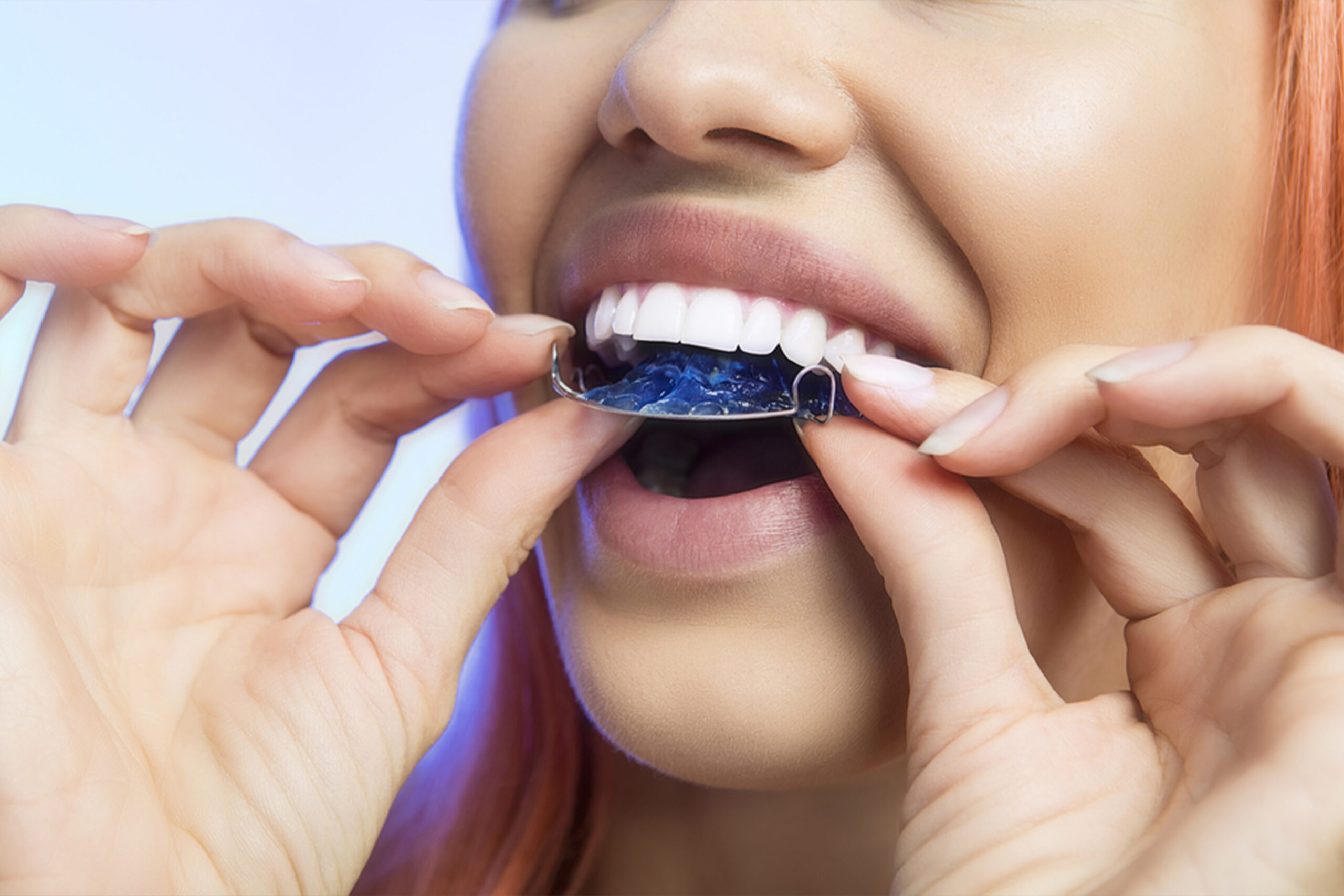
- Hawley retainers: The traditional style consists of a custom acrylic base that rests on the roof of your mouth, connected to a sturdy metal wire that wraps around the front of your teeth. They are incredibly durable and can be adjusted if minor tooth movements are needed.
- Permanent (bonded) retainers: A strong, thin wire permanently bonded to the back of your front teeth. This is an excellent option for patients whose lower front teeth were severely crowded and are at a high risk of rapidly shifting back.

Wearing Your Retainer
To guarantee your orthodontic success, you must wear your retainer exactly as prescribed.
Immediately following your active treatment, the bone is still soft. We typically require you to wear your removable retainer full-time (20 to 22 hours a day) for the first few months, taking it out only to eat and brush your teeth. Once our doctor confirms your bone has properly solidified, you can transition to wearing your retainer only at night while you sleep.
Cleaning & Maintenance
Keeping your retainer clean prevents the buildup of harmful bacteria and plaque, which can cause bad breath and cavities.
1. Daily Brushing
Every time you take your retainer out, gently brush it with a soft-bristled toothbrush and mild, clear antibacterial soap. Avoid abrasive toothpaste, as it can scratch the plastic and make it cloudy.
2. Deep Soaking
Once a week, soak your retainer in a specialized, non-abrasive retainer cleaner to dissolve any stubborn calcium deposits. Never use hot water, as it will permanently warp the material.
3. Safe Storage
When your retainer is not in your mouth, it belongs in its hard, protective case. Never wrap it in a napkin while eating, as it is incredibly easy to accidentally throw away, and keep it out of reach of dogs, who love to chew on the plastic.
Preventing Teeth From Shifting
It is important to understand that teeth are not fixed in concrete; they naturally shift slightly forward and inward as we age, even if you never had braces! This natural physiological shifting is a normal part of aging. Therefore, wearing your retainer at night is the only effective defense against these natural changes, ensuring your teeth stay exactly where we placed them.

Replacing Lost Retainers
If you lose your retainer, accidentally break it, or your dog decides it makes a great chew toy, you must contact our Denton office immediately. Do not wait for your next routine cleaning! Teeth can begin to shift in just a matter of days or weeks. By letting us know right away, we can use our digital scanning technology to quickly fabricate a perfectly fitted replacement before any significant relapse occurs.

Long-Term Orthodontic Success
We treat our patients like family, meaning our care does not stop when your braces come off. We encourage you to bring your retainer to your routine six-month dental check-ups so we can inspect it for microscopic cracks, wear and tear, and ensure it is still fitting perfectly. By committing to your retention phase, you will enjoy a flawless, healthy, and highly functional smile for the rest of your life.
Frequently Asked Questions
Yes. Because teeth naturally shift as we age due to changes in jawbone density and chewing forces, nighttime retainer wear is a lifelong commitment. Think of it as a simple, nightly routine to protect your beautiful smile!
With proper care, a high-quality retainer can last for several years. However, you should contact us for a replacement if your retainer develops visible cracks, becomes warped, loses its tight shape, or accumulates heavy calcium buildup that cannot be removed.
No, a retainer should feel snug but not painful. If your retainer feels incredibly tight or hurts to put on, it typically means you have gone too long without wearing it, and your teeth have already started to shift. Wear it full-time for a few days to gently guide the teeth back into place.